
Photographic Safari
Overview
Tour Packages
Accommodation

OVERVIEW
What is the difference between a photographic safari and a normal guided safari?
Photographic Safari |
Normal safari |
| Spending a significant amount of time on sightings allows you to enjoy and experience animals interacting with one another, which allows you to get stunning photos. |
Day visitors usually don’t stay on a sighting for more than five to ten minutes before leaving, so you won’t have much time to appreciate it or take good pictures.
|
| Flexible Times | Limited Time |
| Private access is granted to certain parts of the park. | Normal Access by following the road |
| Modified open safari jeeps | Normal closed Safari Jeeps |
| Relaxed and enjoyable | Usually quite busy because time is a major factor, but it may also be fun. |
Best Times to Visit
- Dry Season (June to October): Ideal for wildlife viewing as animals gather around water sources, and the vegetation is less dense.
- Wet Season (November to May): The landscape is lush and green, and it’s a great time for bird photography. The calving season (January to February) offers opportunities to capture newborn animals and predator interactions.
Equipment and Preparation
- Camera Gear:
- DSLR or mirrorless camera with interchangeable lenses.
- Telephoto lens (200-400mm) for wildlife.
- Wide-angle lens (16-35mm) for landscapes.
- Tripod or monopod for stability.
- Spare batteries and memory cards.
- Accessories:
- Bean bags for camera stability in vehicles.
- Lens cleaning kit to deal with dust.
- Protective gear for your camera (rain covers, dry bags).
- Clothing:
- Neutral-colored clothing to blend with the environment.
- Layers for varying temperatures.
- Comfortable walking shoes.
- Health and Safety:
- Malaria prophylaxis and vaccinations.
- Adequate travel insurance.
Tips for Capturing Stunning Photos
- Golden Hour: Shoot during early morning and late afternoon for the best light.
- Patience: Wait for the perfect moment, whether it’s a predator stalking prey or a dramatic landscape shot.
- Composition: Use the rule of thirds, leading lines, and framing to enhance your images.
- Focus on Eyes: Sharp eyes in wildlife photography create a strong connection with the viewer.
- Tell a Story: Capture a series of images that convey a narrative, such as a hunt, a herd on the move, or the interaction between species.
Ethical Considerations
- Respect wildlife and maintain a safe distance.
- Follow the park guidelines and listen to your guide.
- Avoid disturbing animals or their natural behavior for the sake of a photograph.
Booking and Logistics
- Guided Tours: Many tour operators offer specialized photographic safaris with experienced guides who understand photographers’ needs.
- Private Safaris: For more flexibility and personalized attention, consider booking a private safari.
- Accommodations: Options range from luxury lodges to tented camps. Some lodges offer photography workshops and specialized guides.
By carefully planning and preparing, you can ensure a successful and rewarding photographic safari in Tanzania, capturing memories that will last a lifetime.
MOST RECOMMENDED TOURS
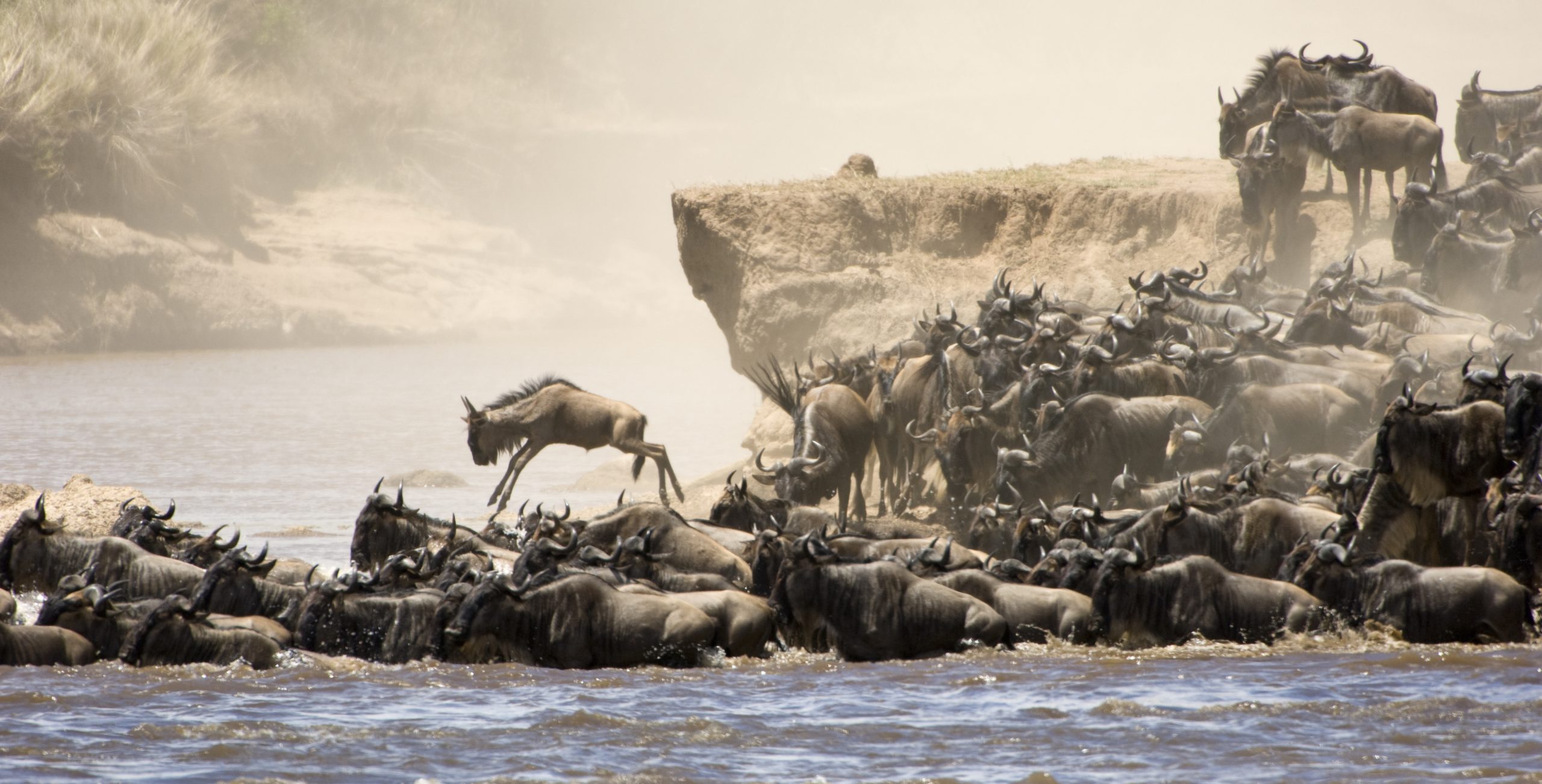
8-Day Ndutu Migration Safari
An 8-day safari focused on the Ndutu migration in Tanzania sounds incredible.

8 Days Honeymoon in Zanzibar
On 8 Days honeymoon in Zanzibar you will have an opportunity to relax and learn the Swahili history of Zanzibar by visiting the slave market and stone town while connecting with Indian ocean.
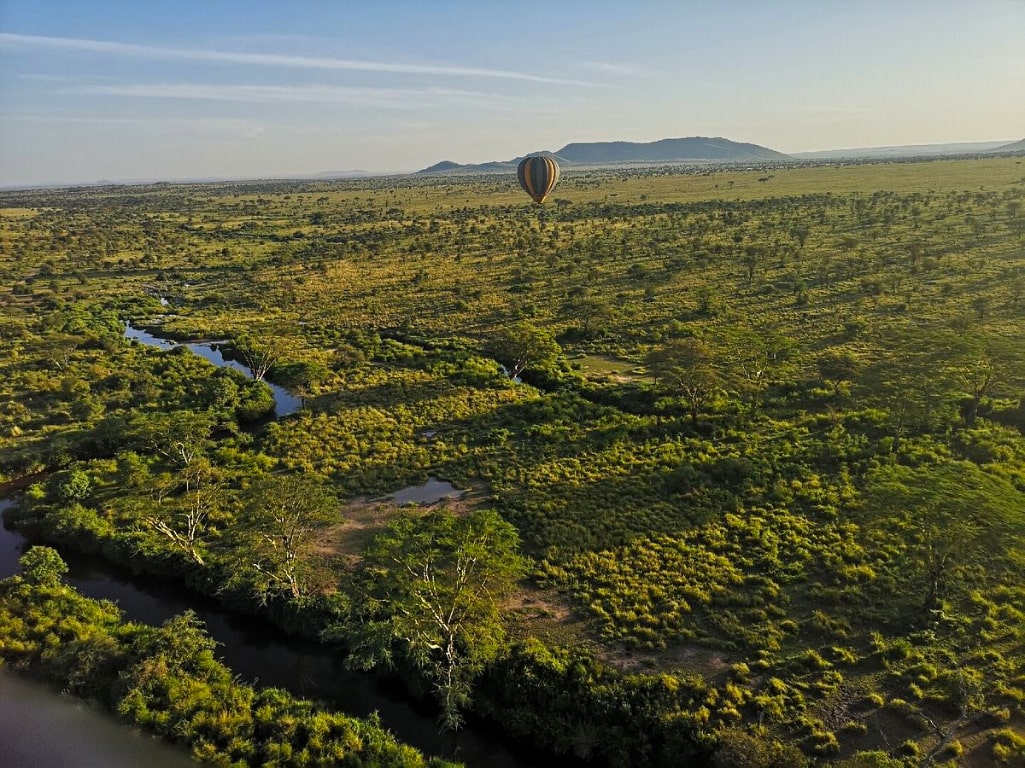
4 Days fly-in Safari to Serengeti and Ngorongoro
This 4-day fly-in safari to the Serengeti and Ngorongoro is designed for people with limited time, older people who don’t want to drive long hours to the Serengeti from Arusha or Kilimanjaro…