
Tanzania
Overview
Destinations
When to go
Tours and Safaris
Where to stay
FAQ
OVERVIEW
Tanzania is a highly sought-after tourist destination in Africa, famous for its spectacular national parks and incredible wildlife experiences that can be enjoyed throughout the year. Located in East Africa, Tanzania is the site of the Great Wildebeest Migration, which attracts visitors from all over the world. The country boasts several renowned national parks, including Serengeti National Park, Ngorongoro Conservation Area, and Nyerere National Park, each with its own distinct appeal that captivates countless tourists annually.
TANZANIA SAFARI OPTIONS
Most safaris follow a similar itinerary, visiting multiple parks throughout the trip. The duration of your safari determines how many destinations you can visit – a 3-day safari may include one or two locations, while a 5-day or longer safari allows for additional stops or longer stays at each location. The price of your safari is influenced by the level of accommodation you choose and the timing of your trip. Upscale accommodations typically cost more, and peak seasons like the Great Migration also drive prices up. We offer a range of accommodation options from mid-range to luxury, and all of our tours are private and inclusive of meals, permits, and a professional driver/guide for the duration of your safari. To learn more about what’s included, please visit the individual tour links.
POPULAR SAFARI DESTINATIONS
Tanzania is consistently voted as the top wildlife destination, making it a superior choice for a safari compared to other African nations. The country’s wildlife diversity is among the most extensive in the continent, and what’s even more impressive is that many of its parks still maintain their natural boundaries without fences. This rarity in the modern world ensures an authentic safari experience, where visitors can witness wildlife that is genuinely wild. Below are some of our popular safari destinations that you should consider on your next visit.
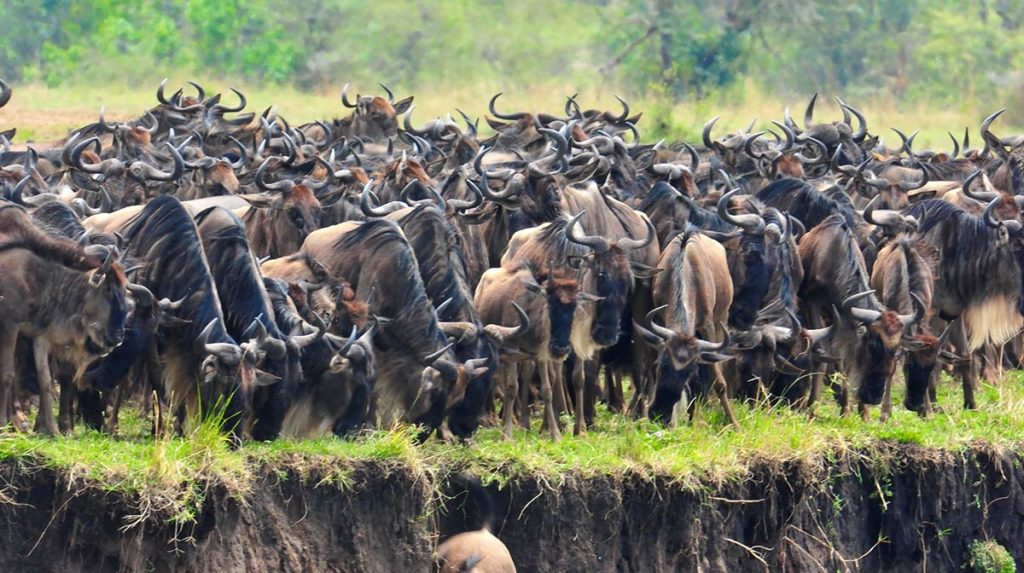
Serengeti National Park
As one of the most renowned parks in Africa, the Serengeti is Tanzania’s oldest park and a UNESCO World Heritage Site. The park is known for the remarkable wildebeest migration and provides exceptional wildlife viewing opportunities year-round. The Serengeti is among the best places for wildlife viewing in Africa, where visitors can spot cheetahs and four of the Big 5. Alongside the big cats, other predators can also be seen in the park.
Ngorongoro Crater
Situated in Northern Tanzania, the Ngorongoro Crater was once an enormous volcano and remains the world’s most significant intact caldera. It’s speculated that before its eruption, the volcano would have exceeded the height of Mt Kilimanjaro, the tallest mountain in Africa. The site has since eroded and collapsed, forming a vast highland region, with the 600m deep Ngorongoro Crater as its central attraction. The ancient caldera, almost three million years old, is now a stunning wildlife sanctuary and one of the most captivating natural wonders on earth.

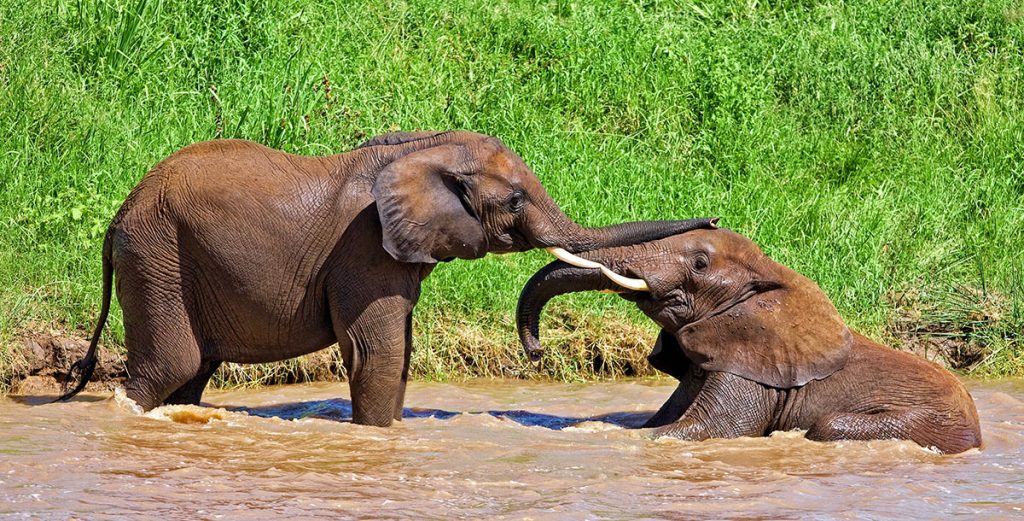
Tarangire National Park
As one of the most renowned parks in Africa, the Serengeti is Tanzania’s oldest park and a UNESCO World Heritage Site. The park is known for the remarkable wildebeest migration and provides exceptional wildlife viewing opportunities year-round. The Serengeti is among the best places for wildlife viewing in Africa, where visitors can spot cheetahs and four of the Big 5. Alongside the big cats, other predators can also be seen in the park.
Lake Manyara National Park
Situated in Northern Tanzania, the Ngorongoro Crater was once an enormous volcano and remains the world’s most significant intact caldera. It’s speculated that before its eruption, the volcano would have exceeded the height of Mt Kilimanjaro, the tallest mountain in Africa. The site has since eroded and collapsed, forming a vast highland region, with the 600m deep Ngorongoro Crater as its central attraction. The ancient caldera, almost three million years old, is now a stunning wildlife sanctuary and one of the most captivating natural wonders on earth.
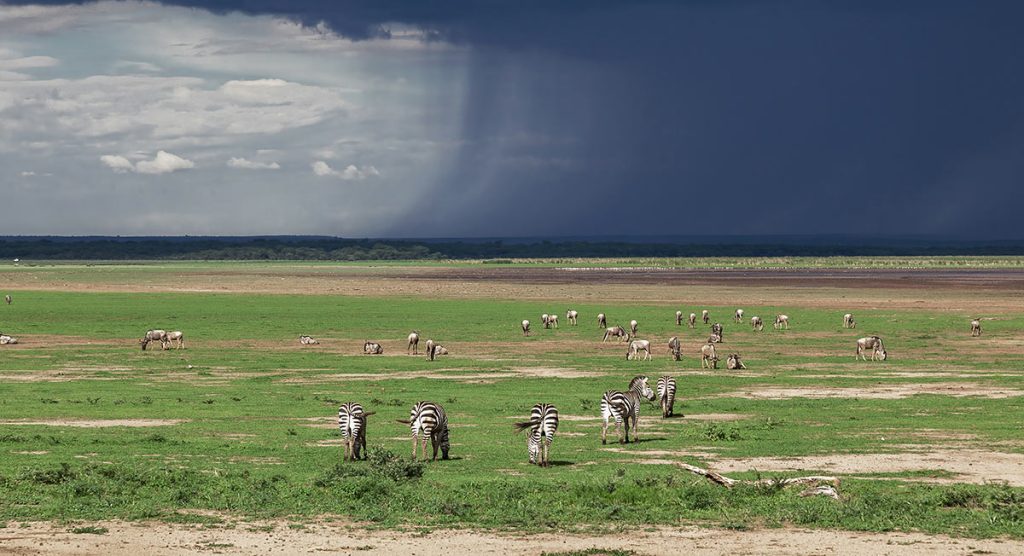
Mount Kilimajaro
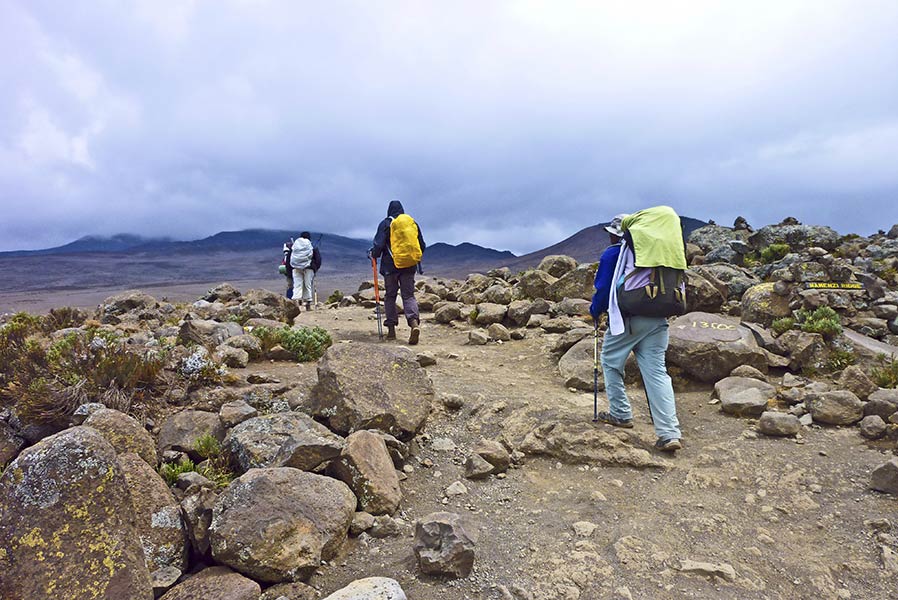
Mount Kilimanjaro is the highest mountain in Africa, located in Tanzania, East Africa. It is a dormant volcano and is composed of three distinct volcanic cones: Kibo, Mawenzi, and Shira. Climbing Mount Kilimanjaro is an unforgettable adventure that offers stunning views, a unique experience, and a sense of personal accomplishment.
The climb to the summit of Mount Kilimanjaro is challenging but does not require any technical climbing skills. The trek can take anywhere from five to nine days, depending on the chosen route, and hikers can choose from several routes, each with its own unique features and scenery.
Zanzibar
Zanzibar is a group of islands located off the coast of Tanzania in East Africa, known for its stunning white sand beaches, crystal clear waters, and fascinating history. The islands have a rich cultural heritage, with influences from Africa, Arabia, India, and Europe.
One of the most popular activities in Zanzibar is relaxing on its beautiful beaches. With its warm waters and gentle waves, the beaches offer a perfect place to swim, snorkel, and enjoy water sports like scuba diving and kite surfing.
For those interested in history and culture, Stone Town, the capital of Zanzibar, is a UNESCO World Heritage Site, and one of the most important cultural centers in East Africa. Visitors can explore its narrow streets and alleyways, marvel at the intricately carved wooden doors, and visit historic sites like the House of Wonders and the Old Fort.

WHEN TO VISIT
the best time to visit Tanzania is during the dry season (June-October), as it is the best time for wildlife viewing and most outdoor activities. However, if you are interested in bird watching or visiting the coast, the wet season may be a better time for you.
Here are some factors to consider:
Wildlife Viewing
The dry season (June-October) is the best time to visit Tanzania for wildlife viewing, especially in the Serengeti and Ngorongoro Crater. During this time, animals are concentrated around water sources, making them easier to spot. The wildebeest migration also occurs during this time, typically between June and September.
Bird Watching
The best time for bird watching is during the wet season (November-May), when migrant birds are present and the vegetation is lush.
Beach Holiday
Tanzania’s coast and islands are best visited during the dry season (June-October), when the weather is sunny and dry.
Mountaineering
The best time to climb Mount Kilimanjaro is during the dry season (June-October and December-February).
TANZANIA BEST TOURS & SAFARIS

5 Days Ndutu Migration Safari Calving Season
Ndutu migration safari during calving tours holidays and travel package have been designed specifically to focus on and to increase your chance to see the great Serengeti wildebeest migration.

10 Days Signature Tanzania Premium
The Signature Tanzania Premium Safari is an exclusive safari package that gives you an opportunity to visit Africa’s most famous heritage sites, Ngorongoro Crater and Serengeti National Park, the home of the great wildebeest migration.
9 Days Enchanting Tanzania Safari
This ultimate Tanzania Safari an enchanting expedition covering the top wildlife destinations in the Northern Tanzania safari circuit. This definitive safari is all about getting more out of your time in Africa.

7 Days Mt. Kilimanjaro Trekking – Marangu Route
The Marangu route, also referred to as the “Coca Cola route,” is a highly sought-after path to the peak of Mount Kilimanjaro. It is often considered the easiest way to reach Uhuru peak due to its ability to be completed in just 5 days
5 Days Serengeti Great Migration Safari
Serengeti Great Migration has been listed as one of the Seven Natural Wonders of the World. Not only does it offer incredible views of the plains dotted with huge herds of wildebeest, zebra, and gazelle
8 Days Tanzania Cultural Tour
We offer organized Tanzania Cultural Safaris that will immerse travelers in the real Tanzanian culture. The trip includes a visit to Chaga tribes, Masai tribes, and Hadzabes bushmen tribes.
7 Days Mt. Kilimanjaro Trekking – Rongai Route
The Rongai route is a Kilimanjaro ascent that takes hikers up the mountain’s northeastern side, tracing the Tanzania-Kenya border. This path offers a refreshing viewpoint of Kilimanjaro
7 Days Mt. Kilimanjaro Trekking – Shira Route
The Shira Plateau is a remarkably beautiful and captivating section of Kilimanjaro, boasting stunning vistas of Mt. Meru and the Great Rift Valley.
7 Days Mt. Kilimanjaro Trekking – Umbwe Route
The Umbwe Route is widely recognized as the most challenging trail on Mount Kilimanjaro, involving a demanding ascent through the jungle and at times necessitating the use of tree roots as makeshift rungs.
8 Days Mount Kilimanjaro climb – Machame Route
The Machame route, also known as “Whiskey”, is a well-known path to the mountain. Unlike Marangu, Machame has longer days and steeper walks
9 Days Mt. Kilimanjaro Summit Climbing – Lemosho Route
The Lemosho route is widely regarded as the most picturesque path to the summit of Kilimanjaro, offering breathtaking panoramic views from different angles.
ACCOMMODATION
Mount Meru Hotel
Tarangire Safari Lodge
Lake Manyara Serena Hotel
The Plantation Lodge
Ngorongoro Serena Safari Lodge
Kubu Kubu Tented Lodge
FREQUENTLY ASKED QUESTIONS
When is the best time to visit Tanzania?
the best time to visit Tanzania is during the dry season (June-October), as it is the best time for wildlife viewing and most outdoor activities. However, if you are interested in bird watching or visiting the coast, the wet season may be a better time for you.
Here are some factors to consider:
Wildlife Viewing
The dry season (June-October) is the best time to visit Tanzania for wildlife viewing, especially in the Serengeti and Ngorongoro Crater. During this time, animals are concentrated around water sources, making them easier to spot. The wildebeest migration also occurs during this time, typically between June and September.
Bird Watching
The best time for bird watching is during the wet season (November-May), when migrant birds are present and the vegetation is lush.
Beach Holiday
Tanzania’s coast and islands are best visited during the dry season (June-October), when the weather is sunny and dry.
Mountaineering
The best time to climb Mount Kilimanjaro is during the dry season (June-October and December-February).
Is it safe to visit Tanzania?
How much does it cost to visit Tanzania?
Excluding your international flights, the cost to visit Tanzania, depending on what you want to experience may range from Us $100 for a single-day trip activity to even more than $9000 high-end multiday Wildlife Safari experience. Please contact us to get the actual price based on your travel paln.
Can I use credit card in Tanzania?
It’s important to note that some merchants may charge an additional fee for credit card transactions, so visitors should confirm any potential fees before using their credit cards. It’s also advisable to inform the credit card company of travel plans to avoid any issues with card usage while abroad.