
Uganda
Overview
Destinations
When to go
Tours and Safaris
Where to stay
FAQ
OVERVIEW
Uganda, also known as the “Pearl of Africa,” is a landlocked country in East Africa. It is home to diverse wildlife, including mountain gorillas, chimpanzees, and the big five. Uganda also boasts stunning landscapes, such as the Nile River, Murchison Falls, and the Rwenzori Mountains. The country has a rich cultural heritage, with over 50 different ethnic groups, each with its own traditions and customs. Uganda is a friendly and welcoming destination, offering visitors an unforgettable experience.
TANZANIA SAFARI OPTIONS
Uganda is a magnificent destination for a safari adventure. The country is blessed with an array of wildlife species, including the big five – elephants, lions, buffalos, rhinos, and leopards, and over 1,000 bird species. Uganda’s national parks, such as Murchison Falls, Queen Elizabeth, and Bwindi Impenetrable Forest, provide an ideal setting for a memorable safari experience.
POPULAR SAFARI DESTINATIONS

Bwindi Impenetrable National Park
Bwindi Impenetrable National Park is a UNESCO World Heritage Site located in southwestern Uganda. It is famous for being the home to almost half of the world’s remaining population of mountain gorillas, making it a must-visit destination for wildlife enthusiasts. Gorilla trekking is the main attraction in the park, where visitors can hike through the dense forest to observe these gentle giants in their natural habitat.
Aside from gorillas, the park is also home to over 120 mammal species, including elephants, buffaloes, and antelopes, as well as over 350 bird species, making it a popular destination for birdwatching. The park also boasts stunning landscapes, including waterfalls, rivers, and forests, providing a picturesque backdrop for visitors.
Queen Elizabeth National Park
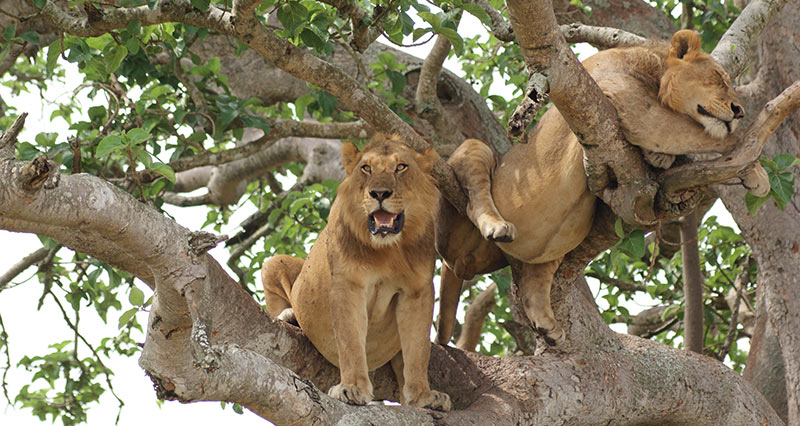
Queen Elizabeth National Park is one of Uganda’s most popular safari destinations, located in the southwestern part of the country. It is known for its diverse wildlife, including the big five (lions, leopards, elephants, buffaloes, and rhinos), as well as chimpanzees and other primate species.
The park is also home to the Kazinga Channel, a natural waterway that connects Lake Edward and Lake George, where visitors can take boat safaris and observe hippos, crocodiles, and a variety of waterbirds. Other popular activities in the park include game drives, birdwatching, and cultural tours to visit the local communities.
Murchison Falls National Park
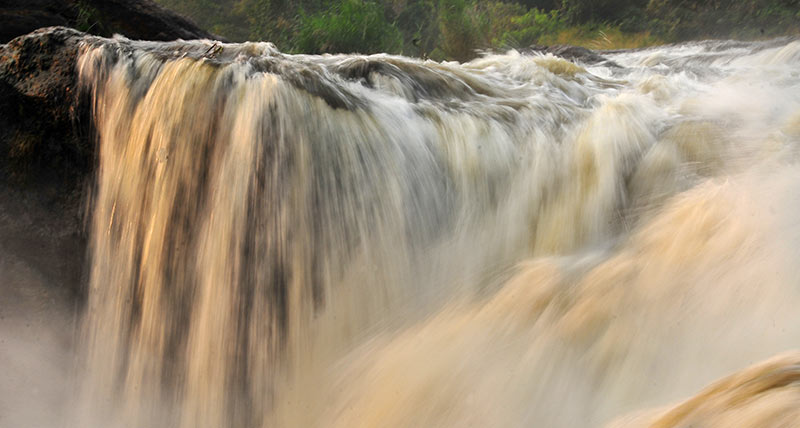
Murchison Falls National Park is Uganda’s largest national park, located in the northwestern part of the country. The park is named after the stunning Murchison Falls, where the Nile River narrows and plunges into a 45-meter drop, creating a powerful and breathtaking sight.
The park is home to a wide variety of wildlife, including elephants, lions, leopards, giraffes, buffaloes, and several primate species. Visitors can take game drives or boat safaris along the Nile River to observe these animals in their natural habitat.
The park also offers several hiking trails, including a trek to the top of Murchison Falls for a panoramic view of the surrounding landscape. Other popular activities in the park include birdwatching, fishing, and cultural tours to visit the local communities.
Kibale National Park
Kibale National Park is located in western Uganda, and it is famous for being the best place in Africa to view chimpanzees in the wild. The park has over 1,500 chimpanzees, which can be seen during guided chimpanzee tracking tours.
Aside from chimpanzees, Kibale National Park is home to over 350 bird species and 70 mammal species, including elephants, buffaloes, and antelopes. The park also has several hiking trails, where visitors can explore the lush rainforest and view various wildlife.
Kibale National Park offers several other activities, including birdwatching, cultural tours to visit the local communities, and nature walks. The park has several accommodation options, ranging from luxury lodges to budget-friendly campsites, providing visitors with a comfortable and memorable experience in the heart of Africa’s wilderness.

WHEN TO VISIT
The dry season, especially from December to February, is considered the best time to visit Uganda for gorilla trekking and wildlife viewing. The weather is usually sunny and dry, making it easier to navigate through the parks and spot animals, as they tend to gather around water sources. However, this is also the busiest time of year, so it’s important to book your accommodations and activities in advance.
The wet season, from March to May and September to November, is considered the low season. While there may be more rain, this is the best time for birdwatching, as migratory birds tend to flock to Uganda during this time. The landscapes are also lush and green, providing a picturesque backdrop for visitors. Additionally, prices are typically lower during the low season, and you may have a better chance of securing permits for gorilla trekking and other activities.
ACCOMMODATION
Parkview Safari Lodge
Nkuringo Bwindi Gorilla Lodge
Kibale Primate Lodge
RECOMMENDED TOUR
12 Days Uganda Adventure
Experience the adventure of a lifetime on a 12-day tour of Uganda’s most captivating destinations. This tour will take you on an unforgettable journey to some of the country’s most fascinating sites